
Meet Destiny
Pronouns: She/They
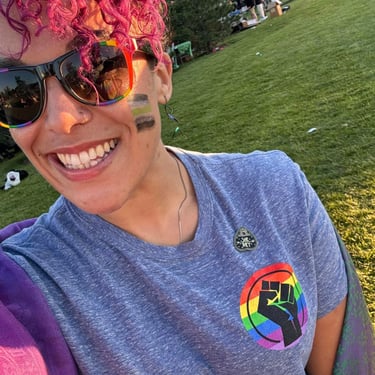
Destiny is a LGBTQ+ and racial justice-allied therapist who uses a trauma-informed and somatic-focused approach to address a variety of issues, including neurodiversity, depression, anxiety, disordered eating, body dysmorphia, and posttraumatic stress. They are also passionate about helping clients struggling with OCD.
Destiny helps clients explore the underlying issues that contribute to their distress and helps them overcome their emotional hurdles.
They serve teens & adults in CT + MA
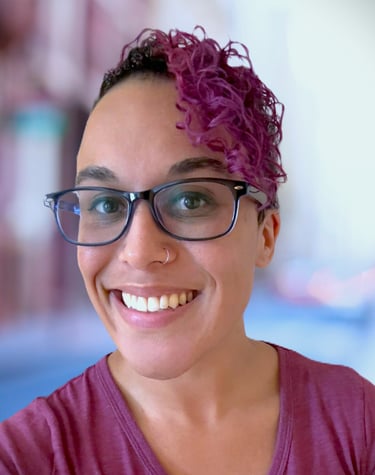
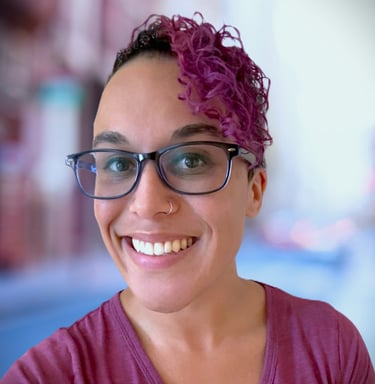
Destiny specializes in helping teens and adults located in MA and CT with anxiety, burnout, depression, traumatic experiences, OCD, neurodiversity, disordered eating, addictive behaviors, and LGBTQ+ issues. Her personal and professional journey fuels her passion for supporting those who struggle emotionally due to their unique life experiences.
Using Cognitive Behavioral Therapy, Destiny helps you challenge negative thought patterns and develop a more positive sense of self. She can help you develop new ways of thinking which will improve your outlook on life and gain more confidence in your relationship with yourself and others.
She also utilizes Dialectical Behavior Therapy (DBT), which emphasizes mindfulness and the development of emotional regulation skills. DBT equips clients with strategies to manage intense emotions and respond to emotional triggers in healthier ways.
In addition, Destiny is trained in Accelerated Resolution Therapy (A.R.T) This form of therapy can help people quickly resolve strong emotions from negative or traumatic experiences.
Click here to read her Q and A and learn more about their professional background and personal experiences that influence their practice.
I-CBT: Evidence Based Therapy for OCD
Destiny is particularly passionate about helping clients overcome OCD using Inference-Based Cognitive Behavioral Therapy (I-CBT). I-CBT is an evidence-based approach specifically designed for OCD that gets to the heart of what makes this disorder so exhausting: that relentless obsessional doubt. If you've ever felt trapped by "what if" thoughts that seem so real and urgent, you're experiencing what I-CBT directly addresses.
Unlike traditional approaches that focus primarily on managing anxiety, I-CBT helps you understand how OCD creates convincing but unfounded fears through distorted reasoning. You'll learn to recognize the difference between trusting what you actually see and experience versus trusting the obsessional stories OCD tells.
What I-CBT Will Help You Do:
Recognize how OCD distorts your reasoning and creates false doubt
Distinguish between reliable perceptions and obsessional "what ifs"
Trust your senses and lived reality instead of compulsive urges
Break free from time-consuming rituals and avoidance patterns
Benefits You Can Expect:
Regain confidence in your own judgment and decision-making
Reduce the grip compulsions have on your daily life
Experience freedom without requiring traditional exposure exercises
Build lasting skills to recognize and dismiss obsessional thinking
What makes I-CBT truly transformative is how it empowers you to see obsessions for what they really are—unreliable thoughts rather than accurate warnings. You start making choices based on what's genuinely happening around you, not what OCD insists might happen. If you want to learn more about I-CBT you can check out this website for in depth descriptions and educational materials.
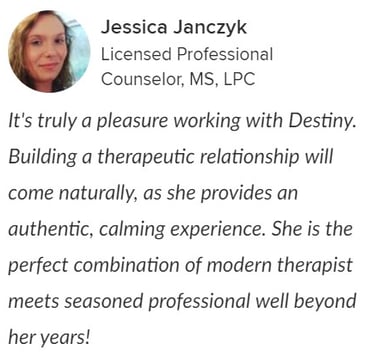
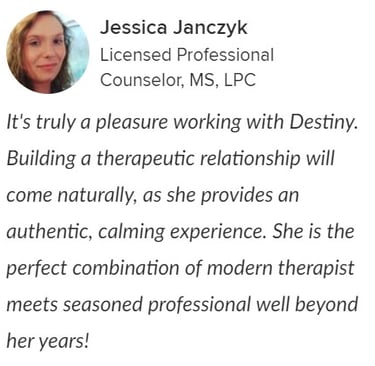
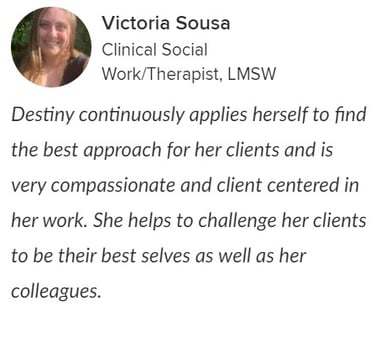
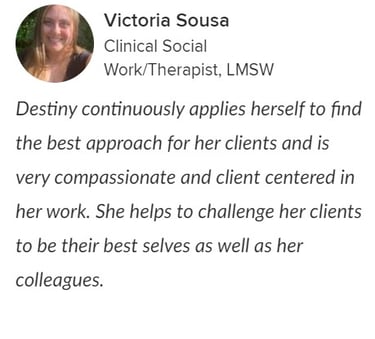
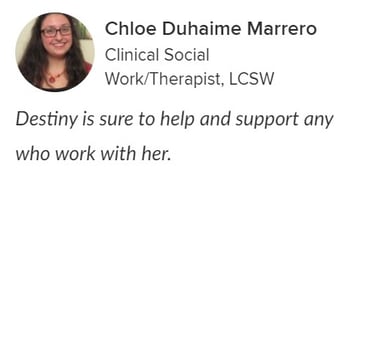
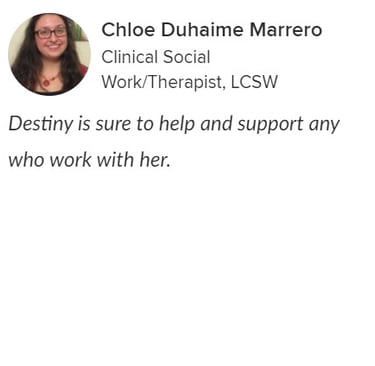
Destiny's Reviews
What insurance do you take?
Aetna, United Healthcare, Optum, Oxford, Oscar, and MA BCBS. You can see a full list of companies I'm in network with here.
How would your clients describe you?
I am a warm, open-minded, and personable. I use a holistic approach and create a safe space for clients to process difficult thoughts and emotions.
What is your approach to therapy?
I use empathy and active listening to ensure clients feel heard and understood. I help clients examine various thinking or behavioral patterns that are holding them back from living their best life. I provide gentle guidance and support as they navigate through challenging experiences, empowering them to explore and express themselves authentically.
I also utilize a somatic-focused and trauma-informed approach to care. Understanding the connection between mind and body is essential in order to sort through distorted thinking patterns that stem from stress and trauma. I believe that connecting to how emotions manifest in physical sensations can be foundational in sorting through distorted thinking patterns that stem from stress and trauma. I use this approach in addition to Accelerated Resolution Therapy, a transformative technique that helps clients accelerate their healing from previous trauma. I also specialize in I-CBT, a transformative therapy for clients struggling with OCD that doesn't require exposure therapy or other distressing interventions. You can learn more about I-CBT here.
Why did you become a therapist?
Throughout my life, I've had a special talent for forging deep connections with individuals, fostering an environment where they feel secure in exploring their thoughts and emotions. Guiding clients through tough experiences and emotions is deeply fulfilling, and witnessing their growth and progress is immensely rewarding.
What is your educational background?
When I was in my undergraduate program, I gravitated toward psychology with a focus on the impacts of trauma. Initially, I thought that I wanted to stay in the field of psychology because of how intrigued I was by the neuroscience aspects. Over time, I came to realize that I wanted to work directly with people who have been impacted by stress and trauma to connect and provide support for them. I chose social work because it had more focus on intersectionality when it comes to addressing mental health. I obtained my Masters in Social Work in 2020, and I've been working directly with teens and adults since then.
What other professional experiences have you had?
I've worked in a variety of settings, including an in home therapy program for teens and families with significant mental health struggles. I have also worked in a community health setting where I served teens and adults struggling with a wide range of mental health issues.
What else should I know about you?
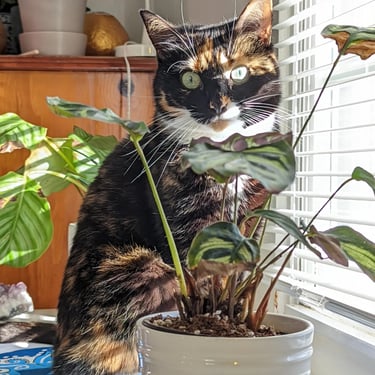
In my free time I enjoy reading non-fiction and true crime books, spending time with friends and my cat (Gnocci).
Q & A with Destiny
Real change is possible


Reach Out Today
Contact Destiny to learn more about how she can help you move forward in your mental health journey.
You'll get a response to your message within 24 hours.

Counseling for teens & adults in CT and MA online counseling teen counseling affordable therapy LGTQ therapy Therapy for women
therapy in Boston
online therapy in MA
online therapy LGTBQ police officer therapy law enforcement therapy EMDR therapy trauma therapy in CT
trauma therapy in MA
New England Counseling and Consulting
Serving clients in CT, MA, and ME
11 Melanie Lane, Colchester, CT (mailing address only)
Email Office: Counseling@NewEnglandCC.org
Please note: We are able to respond more quickly to emails and text messages
Call or text our office: (508) 784-6425
Fax: 860-915-7065